
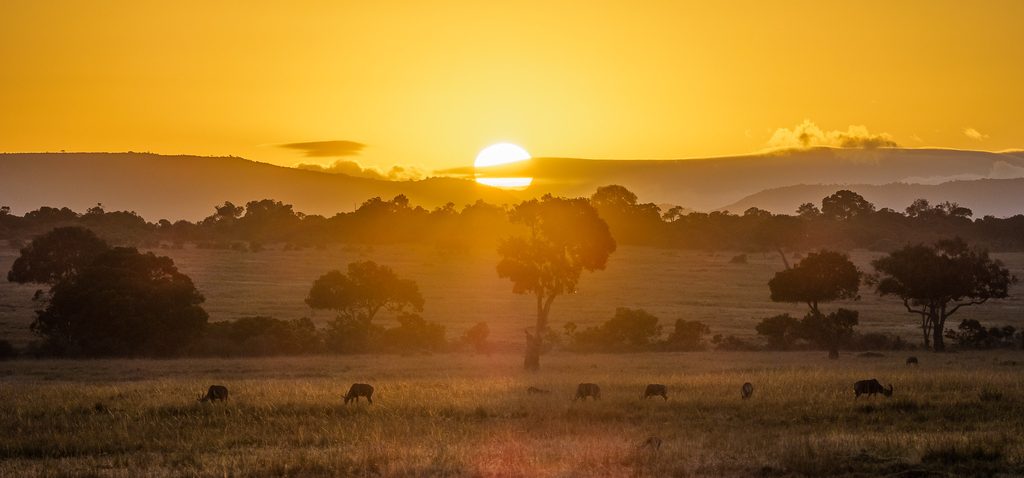
Stepping out onto the golden savanna plains of the Maasai Mara National Reserve is one of the most thrilling travel milestones on earth. For first-timers, the vast landscapes, dramatic predator encounters, and authentic bush camps can feel both exhilarating and slightly mysterious.
Knowing what a typical safari day looks like—from early morning wake-up calls to evening campfires—ensures you get the most out of your African adventure. Here is what to expect on your very first journey into Kenya’s premier wildlife haven.

A Typical Day on Safari: The Rhythm of the Bush
Wildlife is most active during the cooler hours of dawn and dusk. Because midday heat drives animals into dense shade, safari life follows a time-tested daily schedule.
1. Dawn Wake-up & Morning Game Drive
Your morning begins around 5:30 AM with fresh coffee or tea brought right to your tent or room. By 6:15 AM, you will board your open-sided or pop-top 4×4 Land Cruiser. Morning drives are prime time to track big cats returning from night hunts, watch lions resting in the dew, and catch grazing herds of zebras, giraffes, and gazelles in soft golden light.
2. Midday Downtime at the Camp
Around 10:30 or 11:00 AM, you will head back to camp for a hearty brunch. The heat of the day (12:00 PM to 3:30 PM) is dedicated to unwinding—take a swim in the camp pool, read on your private veranda overlooking the savanna, or review the morning’s wildlife photos.
3. Late Afternoon Game Drive to Sundowner
Around 4:00 PM, after high tea, your vehicle heads out for the second game drive. As shadows lengthen, nocturnal animals begin to stir. Afternoon drives often culminate in a beloved African safari tradition: the “Sundowner”—stopping in a safe, scenic open expanse to enjoy drinks and snacks as the sun sinks beneath the horizon.
4. Dinner Under the Stars
Return to camp by dusk (national park rules require safari vehicles to be off public tracks by 6:30 PM). Evenings are spent sharing stories around a glowing boma campfire, followed by a multi-course dinner under brilliant, unpolluted night skies.
What Animals Will You Actually See?
The Maasai Mara boasts one of the highest densities of wildlife in Africa, making sightings frequent and varied.
- The Big Five: Originally named by big-game hunters, you have high chances of encountering lions, leopards, African elephants, and cape buffalo. Black rhinos are rarer and tightly protected in designated sanctuary sectors.
- Cheetahs & Hyenas: The Mara’s open plains provide ideal hunting grounds for fast-moving cheetah coalitions and opportunistic spotted hyenas.
- The Great Migration (July to October): Over 1.5 million wildebeest, accompanied by hundreds of thousands of zebras, traverse north from the Serengeti, creating dramatic river crossings across the crocodile-filled Mara and Talek Rivers.
- Birdlife: Over 450 avian species reside here, from lilac-breasted rollers and martial eagles to secretary birds walking across the savanna.
Safari Vehicles & Guiding: How Game Drives Work
- 4×4 Safari Land Cruisers: Equipped with heavy-duty suspension, pop-up roofs for 360-degree photography, and large sliding windows.
- Expert Guides & Trackers: Safari drivers are certified naturalists trained to read footprints (spoor), monitor animal alarm calls, and communicate via UHF radios to locate notable wildlife events without disturbing the ecosystem.
- Safari Etiquette: Always stay inside the vehicle unless your guide designates a safe, open sundowner or picnic zone. Keep voices low when approaching wildlife to avoid startling animals.
What Is It Like to Stay in a Tented Camp?
First-time travelers often confuse “tented safari camps” with basic camping. In reality, most Mara luxury tented camps offer upscale, permanent hotel comforts:
- Canvas Luxury: Canvas walls set on solid hardwood or concrete floors, equipped with plush king-sized beds, premium linens, and private verandas.
- En-suite Bathrooms: Full private bathrooms featuring flushing toilets, hot running water, and walk-in showers.
- Safety & Security: Maasai warriors (askaris) patrol camp perimeters at night and personally escort guests to and from their tents after dark.
Essential Beginner Packing Checklist
| Item | Why It Is Essential |
| Neutral-Colored Clothing | Khaki, beige, olive, and brown blend in; avoid bright colors, pure white (dust), and dark blue/black (attracts tsetse flies). |
| Warm Layers / Fleece | Dawn game drives in open vehicles are surprisingly cold before the sun rises. |
| Binoculars (8×42 or 10×42) | Crucial for spotting distant leopards in acacia trees or scanning birdlife. |
| Telephoto Camera Lens | A 70-300mm or 100-400mm lens allows detailed wildlife close-ups from respectful distances. |
| Sun & Dust Protection | Wide-brim hat, polarized sunglasses, high-SPF sunscreen, and a lightweight neck gaiter. |
Plan Your Kenya Safari with Marvellous Milestone
From arranging private 4×4 Land Cruisers and chartered bush flights to securing comfortable safari lodges and handling your Kenya eTA entry authorization, Marvellous Milestone simplifies your East African expedition.
- Curated Small-Group & Custom Safaris: Perfectly balanced routes combining Maasai Mara, Lake Nakuru, and Amboseli.
- Dedicated Support: Guidance on paperwork, visa documentation, and pre-departure preparation.
- Phone / WhatsApp: +91 620 751 0218
- Email: holidays@marvellousmilestone.com
- Website: marvellousmilestone.com
Ready for your first safari? See our Kenya tour packages from India or WhatsApp us on +91 79798 06293.

Pingback: Great Migration 2027: Maasai Mara Safari from India